
Before your appointment
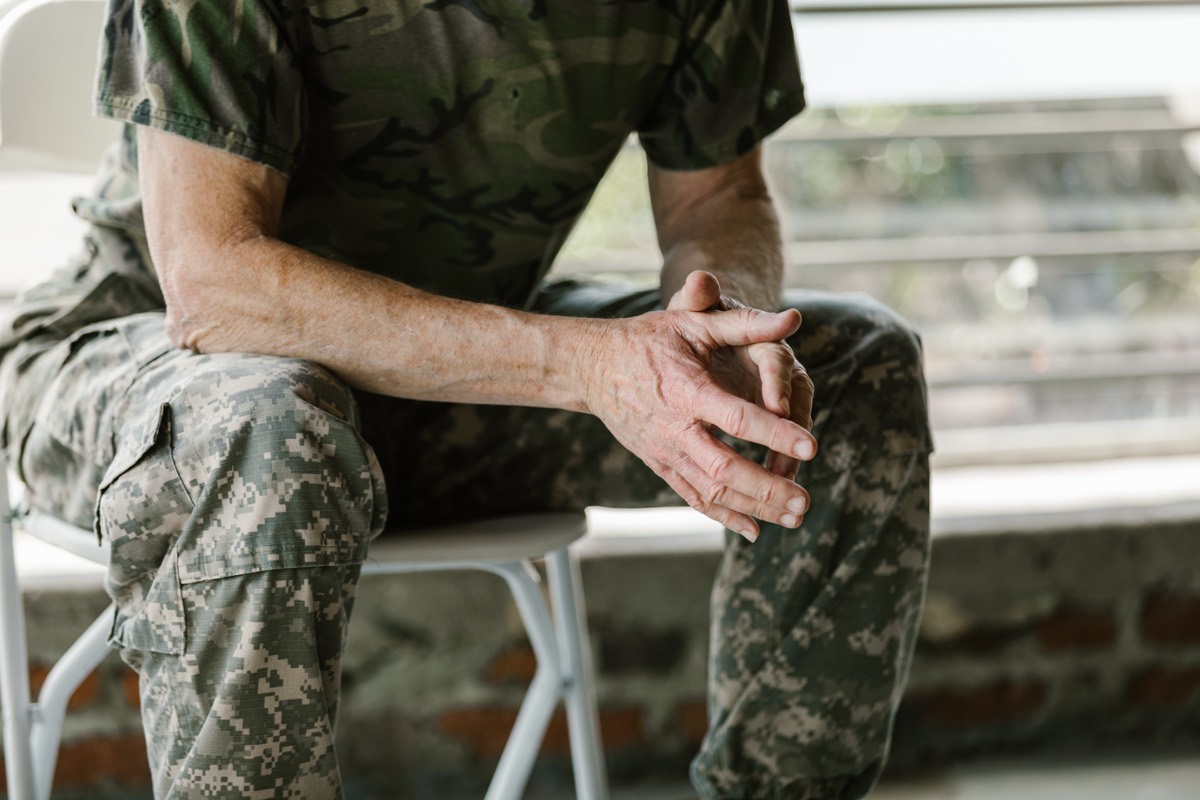
If you have PTSD and chronic pain, the practical question is how a particular program fits your needs, existing care, and response to practice. Being a Veteran does not by itself mean you have PTSD or need trauma treatment.
Why the type of mindfulness program matters
MBSR is an eight-week program that includes guided practice and learning how to respond to present-moment experiences. The recommendation for that program should not be stretched into a claim that all mindfulness apps, classes, or exercises treat PTSD equally well. VA treatment overview
Before signing up, ask what the program includes, who teaches it, and what support is available between sessions. Tell the clinician who treats your PTSD that you are considering it. That gives you a chance to decide together how it fits with ongoing treatment.
What the source talk adds
Linda Turner’s 2013 introduction to mindfulness for chronic pain includes a useful caution: turning attention inward can bring up difficult trauma responses. Her recording is an introductory class, not a PTSD treatment trial. The tapping exercise she discusses should not be read as a guarantee that a person can prevent or manage flashbacks on their own. Watch the talk
For a Veteran who has found meditation unsettling, the important next step is to discuss the reaction and available support, rather than assume more practice will solve it.
Can meditation make anxiety or distress worse?
It can for some people. VA explains that relaxation exercises may initially increase distress when attention shifts toward disturbing sensations or away from the outside world. NCCIH also reports that negative experiences can occur during meditation and that safety research remains limited. VA coping guidance, NCCIH safety overview
This does not predict how you will respond. It does mean an instructor should take your reaction seriously. Tell them if a practice brings on panic, disturbing memories, or a feeling of being disconnected from the present. Ask to change or stop the exercise and discuss what happened with your treatment team.
VA’s patient handout specifically advises people with severe PTSD or other serious mental health concerns to speak with their team before beginning mindful-awareness exercises. VA patient handout
What to do if a practice brings on a flashback
Pause the exercise and reconnect with your surroundings. VA suggests opening your eyes, looking around, and reminding yourself of your current location and the time. Contact someone you trust or your clinician for support as needed, and tell your clinician about recurring reactions. VA guidance for stress reactions
These are coping steps, not a substitute for treatment. You do not need to return to the recording that day. A plan made with your clinician can specify what to try, when to stop, and whom to contact.
Questions to bring to a mindfulness instructor
You can use this list before joining a course:
- What experience do you have supporting Veterans with PTSD?
- Can I keep my eyes open, change position, or step out?
- What should I do if a body scan or attention to breathing increases distress?
- Can we agree on alternatives before the first practice?
- How will this course fit with the PTSD care I already receive?
These are practical questions about the program, not a checklist that certifies an instructor or guarantees safety. If you are unsure whether a class is appropriate, ask your treating clinician to help you assess it.
Resources to discuss with your VA team
Your local VA Whole Health service can help you explore available mindful-awareness resources. Availability and formats differ by facility. VA mindful-awareness resources
VA also offers Mindfulness Coach, a free app designed for Veterans, service members, and others. It provides guided learning and practice tools. VA says it is not intended to replace professional care.
When chronic pain is also part of the picture, bring both concerns into the conversation. Valor’s chronic pain care guide can help you organize questions for your team. You can ask for a plan that takes your pain, mental health care, and preferences into account.
Source note: This article uses the complete available automatic transcript and selected visual frames from the talk, with current VA and NCCIH resources. It does not diagnose PTSD, recommend a personal treatment plan, or imply that all Veterans have trauma-related symptoms.
Sources used on this page
These patient guides adapt video themes using automatic captions and separately linked health references. Audiovisual playback and clinician review were not performed. Your care team’s assessment and instructions take priority.
- VA’s guide to complementary approaches for PTSD
- Watch the talk
- VA coping guidance
- NCCIH safety overview
- VA patient handout
- VA mindful-awareness resources
- Mindfulness Coach